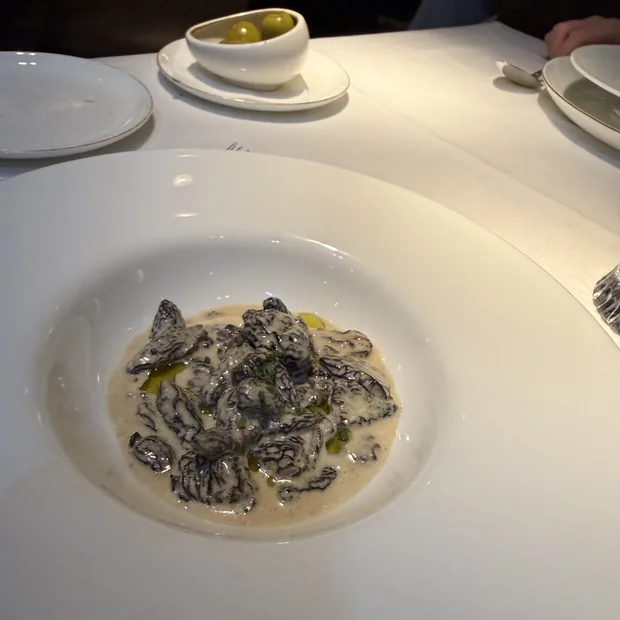
Casa Julián de Tolosa





In Madrid you can find the best of Spain's regional cooking, region by region. Cava Baja, one of the city's oldest streets, is lined end to end with tapas bars today; at number 18 there is a Basque asador instead: Casa Julián de Tolosa.
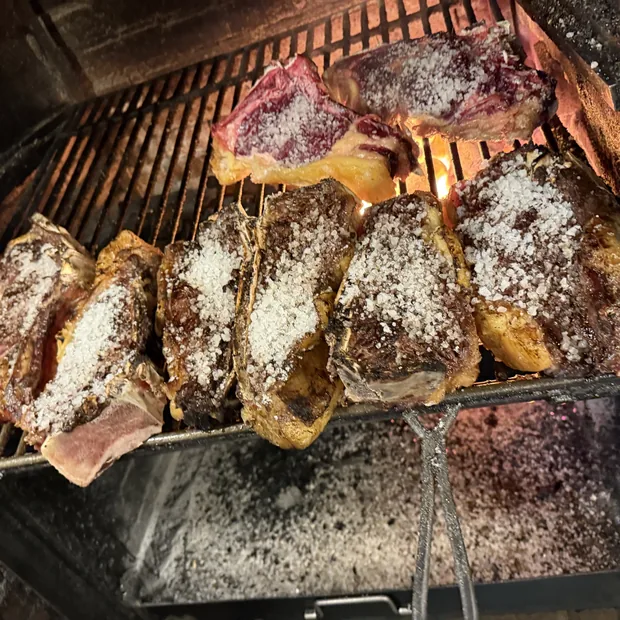
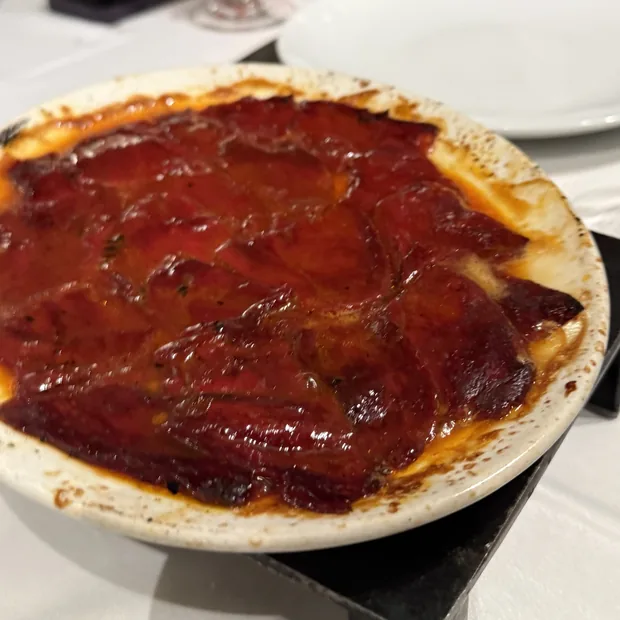
The story begins not in Madrid but in Tolosa, a town in Gipuzkoa, in 1954. A greengrocer named Julián Rivas turned his shop into a grill house after a conversation with a friend back from Argentina. He invented both the slanted grill rack that Basque asadores still use and the roasted piquillo peppers that became the house's signature. When Rivas retired, Matías Gorrotxategi, who had trained beside him, took the place over; there are people who will tell you Casa Julián's txuleta is the best in the world. The three restaurants are run today by Gorrotxategi's sons Mikel, Xabi and Iñaki. This branch on Cava Baja opened at the end of the eighties.
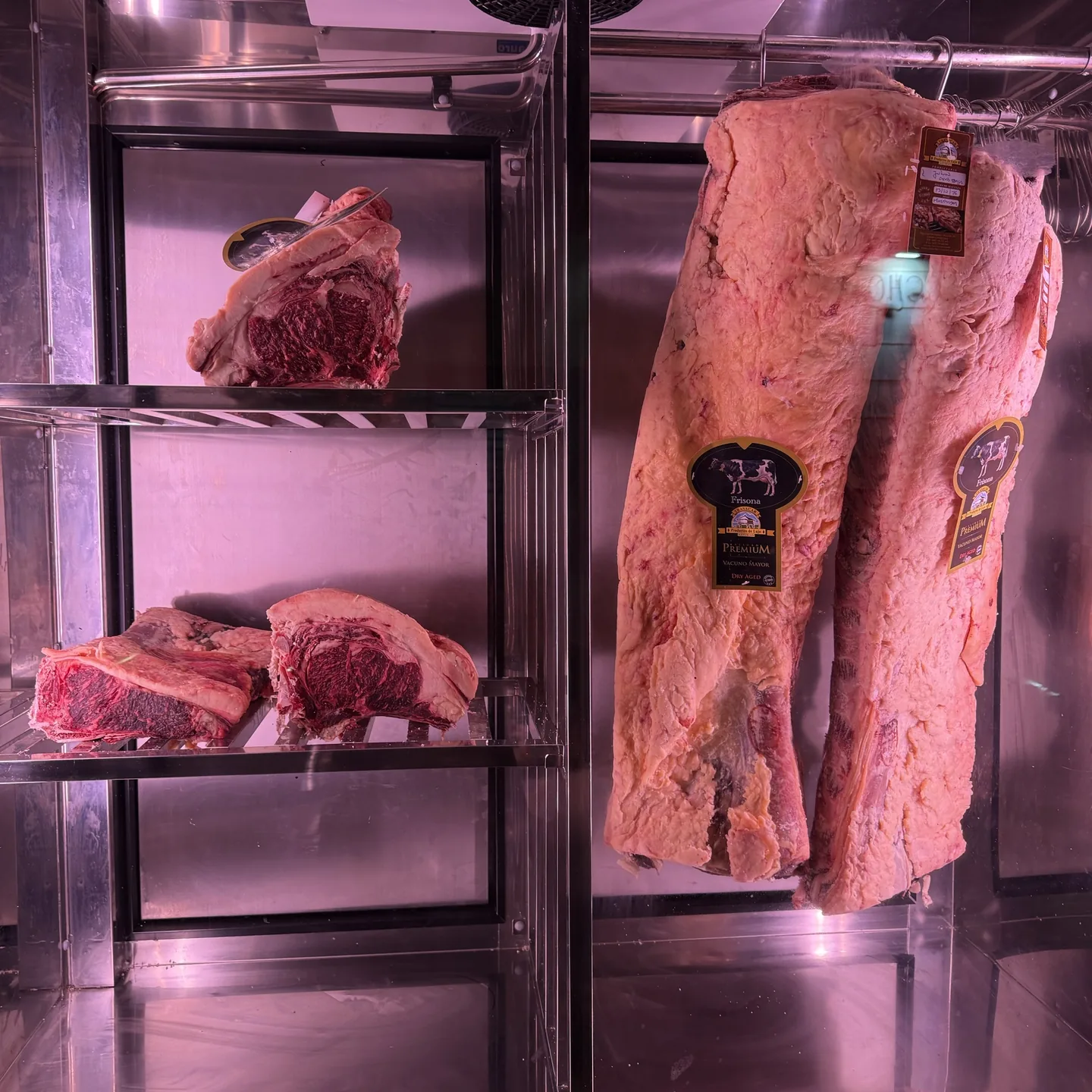
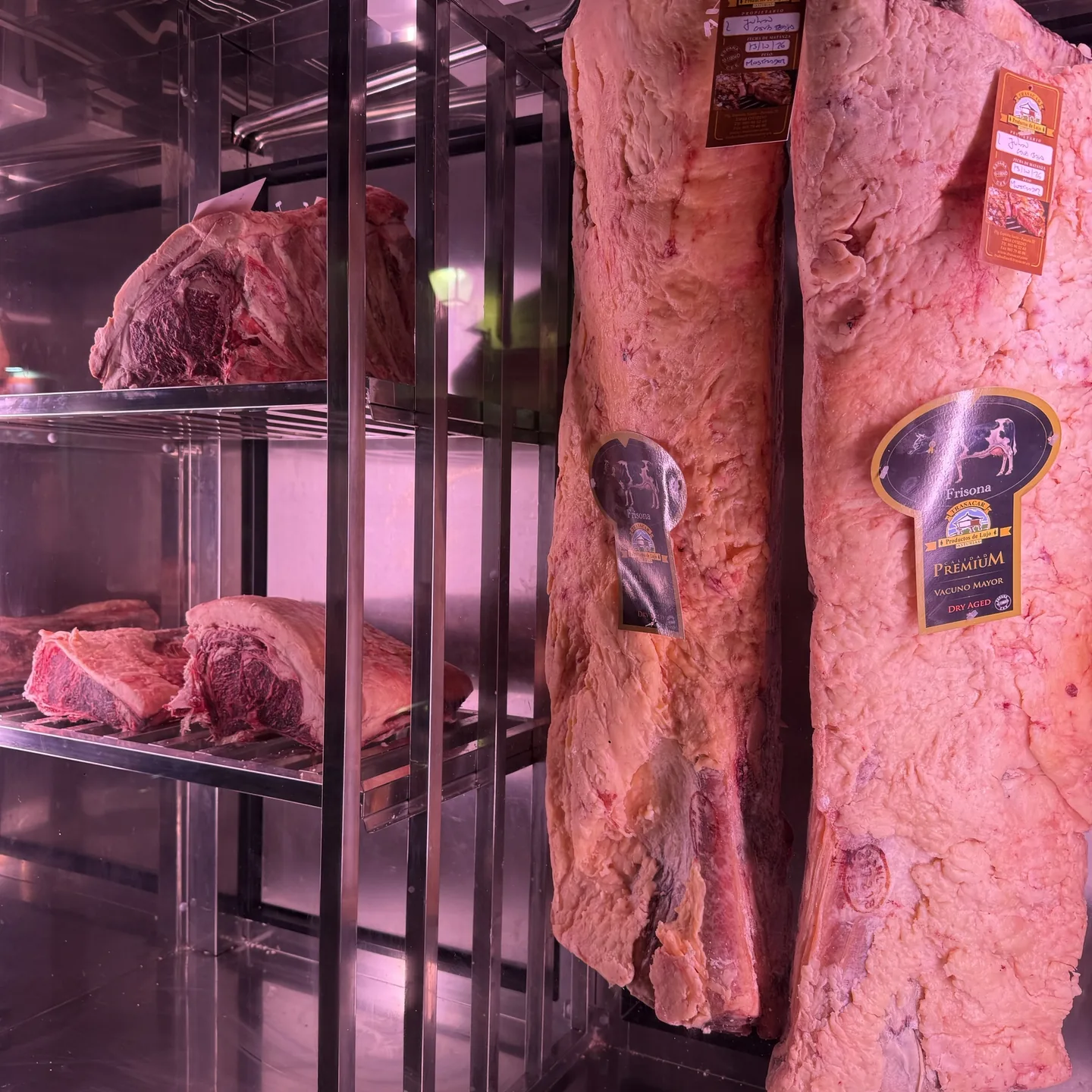
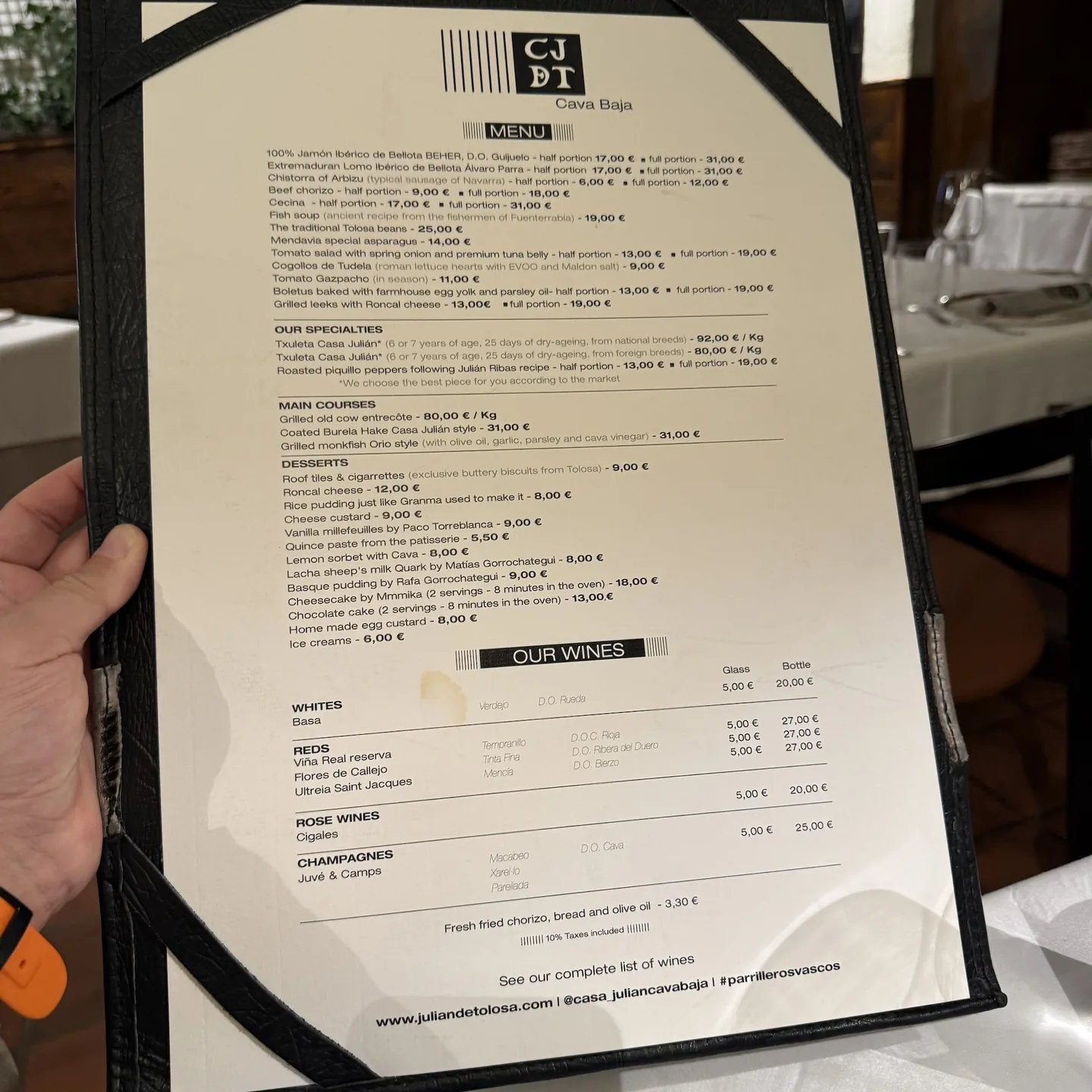
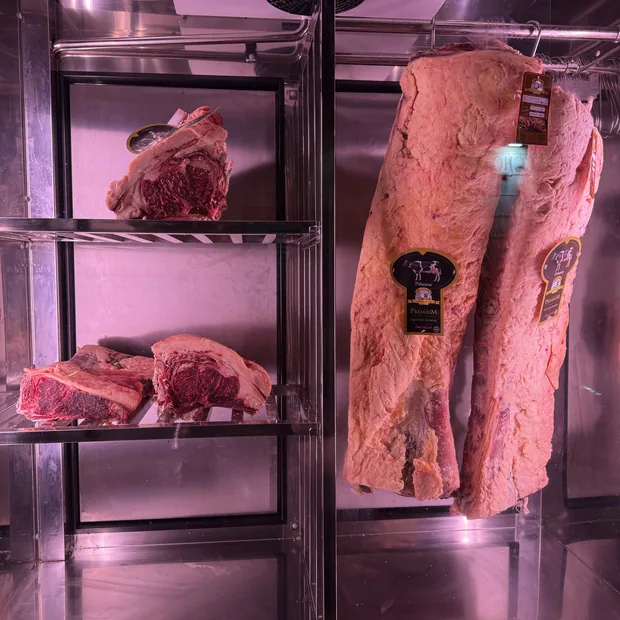
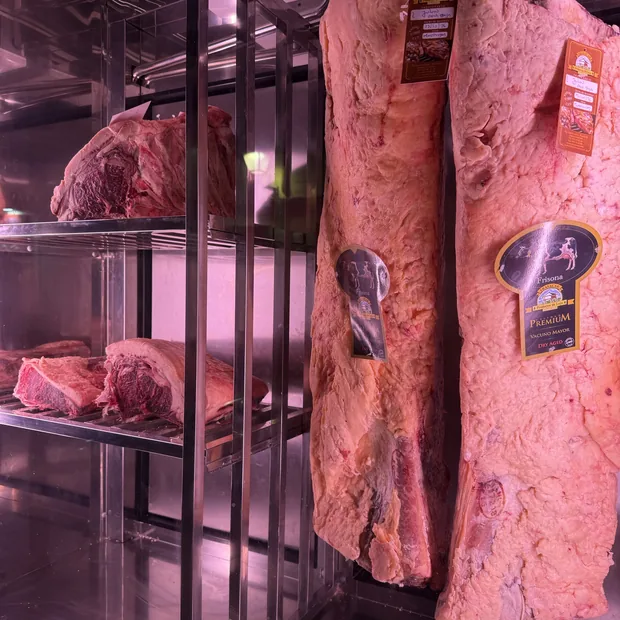
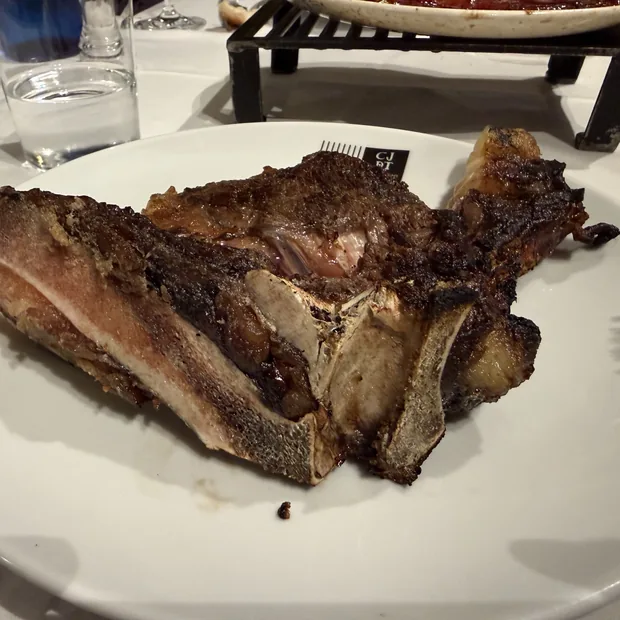
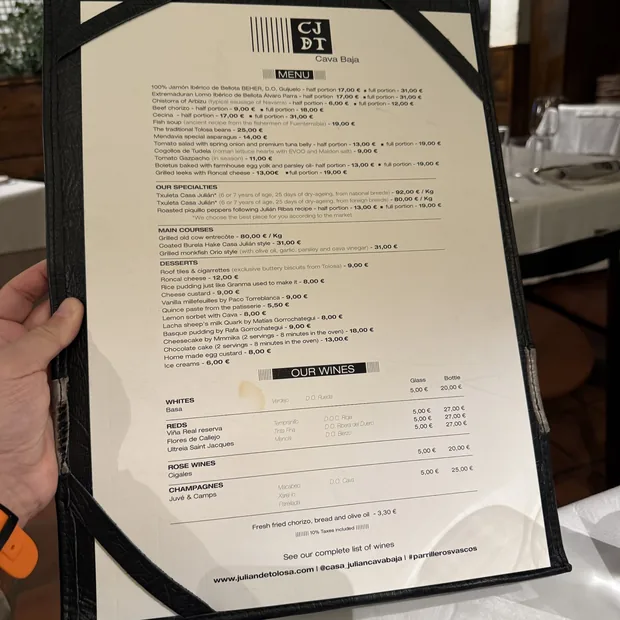
The menu is short and hides nothing. The txuleta comes from cows six or seven years old and is dry-aged for twenty-five days; the price follows the weight of the piece you choose — 92 euros a kilo for native breeds, 80 for foreign ones — and they pick that piece for you according to the market that day. In the glass cabinet in the dining room, every loin resting inside carries a hand-written tag with its owner and the date of slaughter; the one we looked at said 13 October.
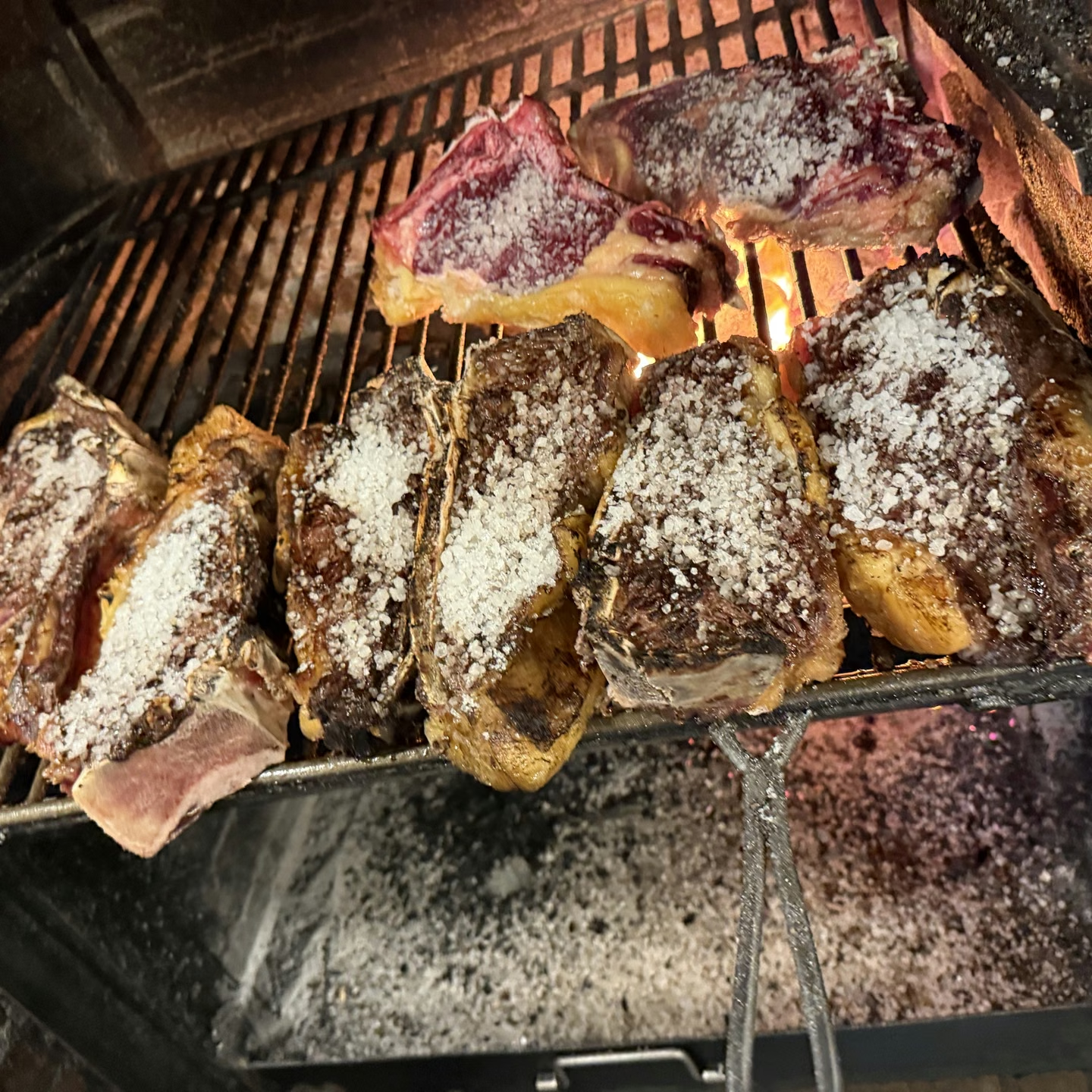
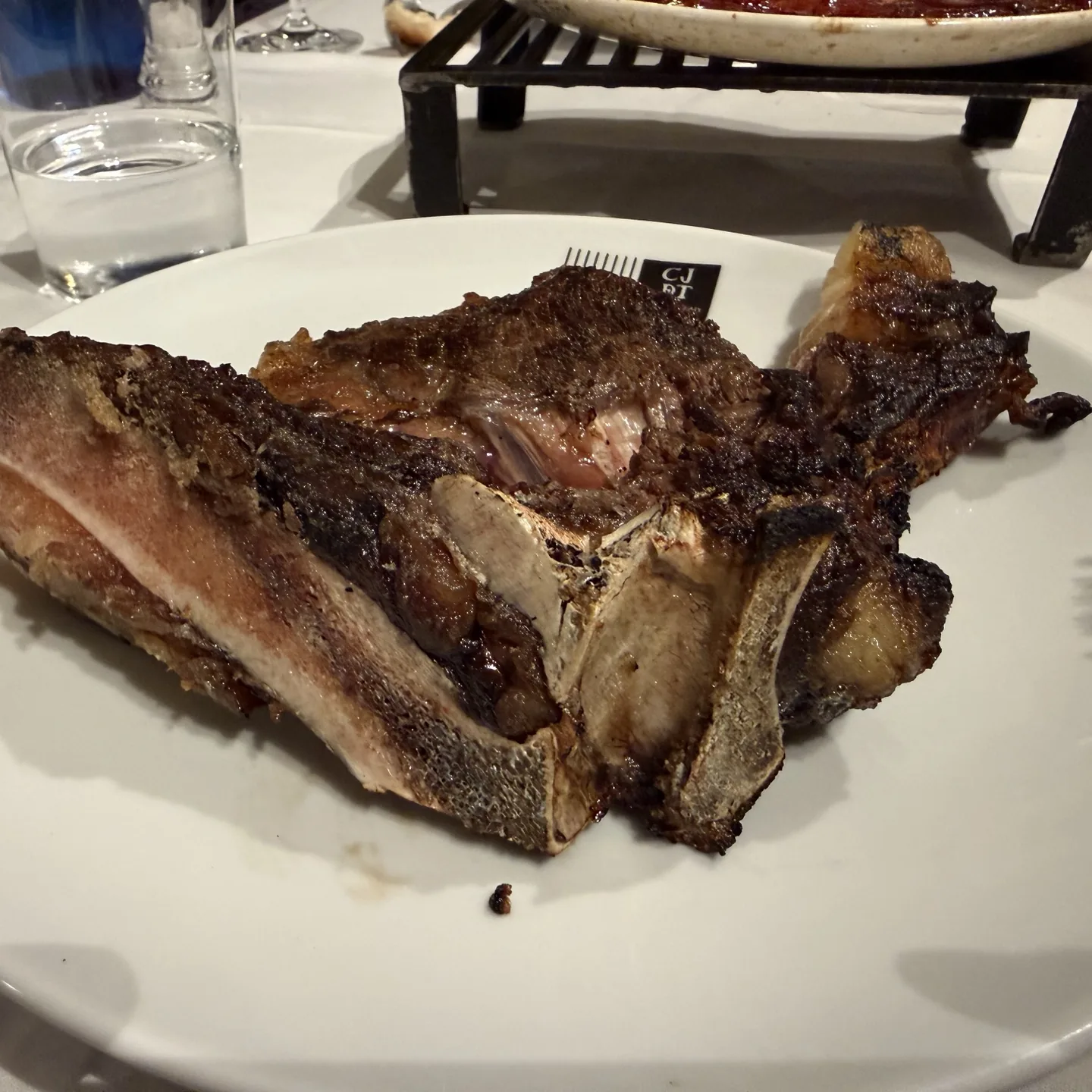
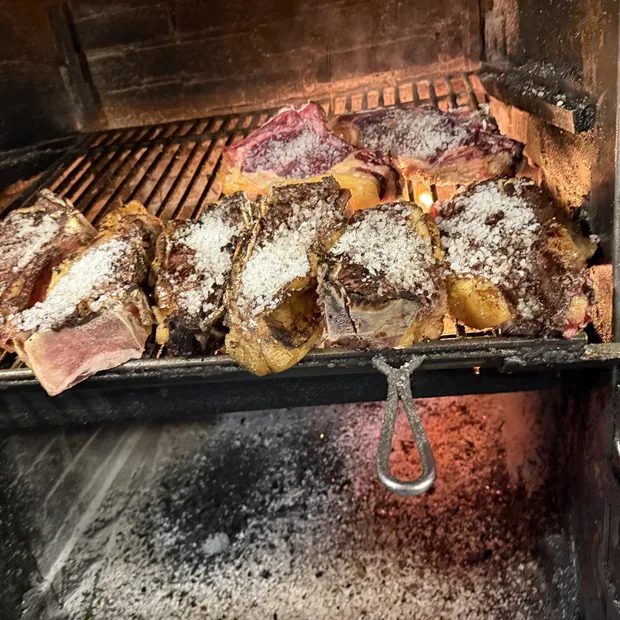
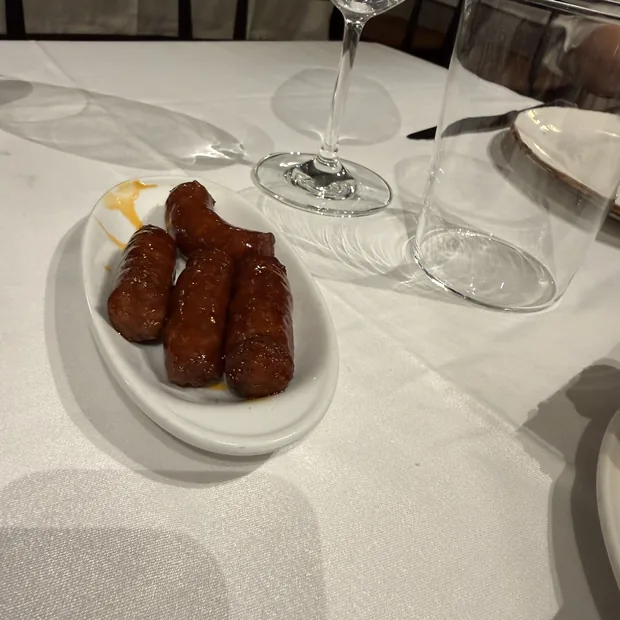
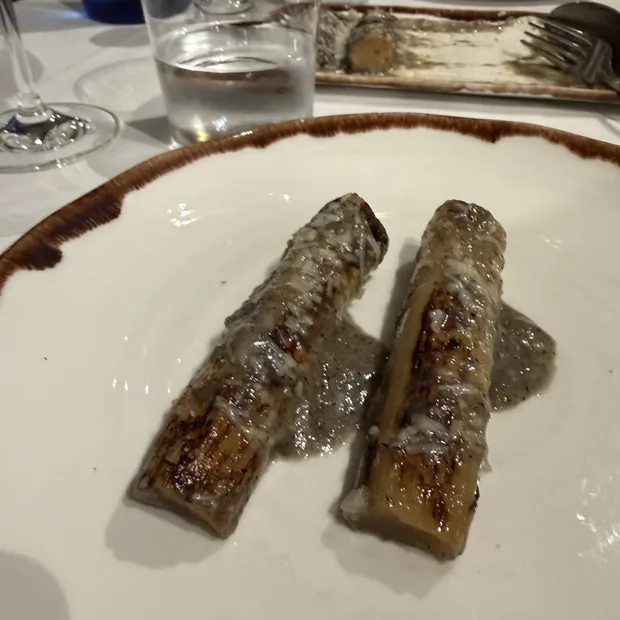
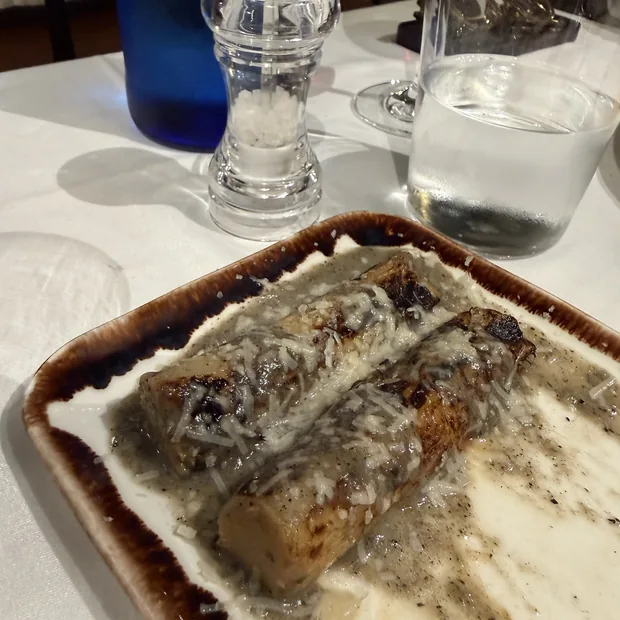
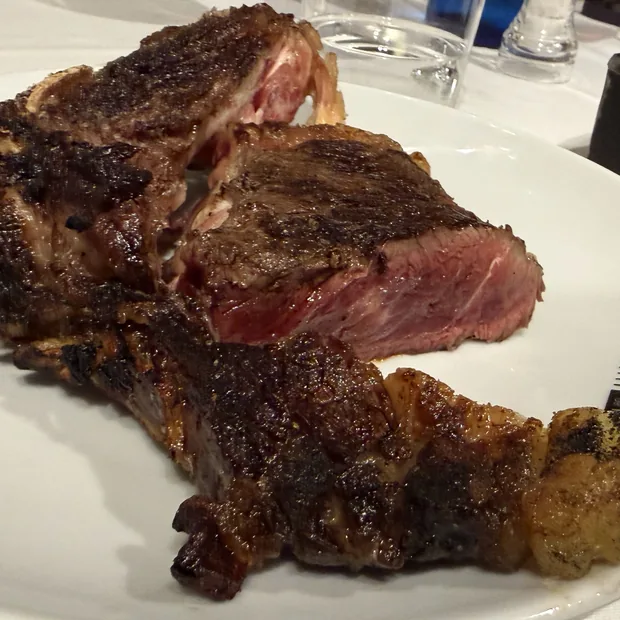
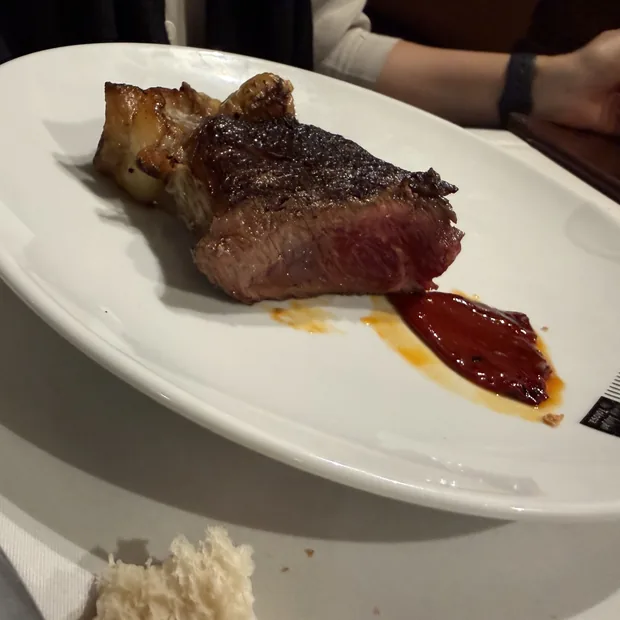
The table opened with chistorra from Arbizu. Then leeks grilled with Roncal cheese (order these, without fail) and the house's signature, piquillo peppers roasted to Julián Ribas's recipe. The real business is on the grill: txuletas crusted in coarse salt, lined up on the slanted iron over the embers. Cut open, a crust outside and scarlet within. If you are not used to it the middle may look a little raw, but what waits for you is a piece of meat as soft as lokum. A red Rioja alongside sits well with this menu. A simple menu, few choices, but very fine meat indeed.