Tsukiji Balık Pazarı


Tokyo's fish market has been at Tsukiji since 1935. Before that it was at Nihonbashi; when the Great Kantō earthquake of 1923 destroyed it, the city moved the market here, and the move became one of the largest of the post-earthquake reconstruction projects. For the next eighty years Tsukiji was spoken of as the largest fish market in the world: some nine hundred wholesalers, more than sixteen hundred tonnes of seafood a day, and tuna auctions that began at five in the morning.
The wholesale section closed on 6 October 2018 and moved to Toyosu, and the auctions are held there now. What remains at Tsukiji is the outer market, the jōgai shijō: hundreds of stalls along narrow streets, knife makers, dried-goods sellers, shops selling tea and seaweed — and grill counters that cook in front of you and hand it over. This is not a restaurant, it is a street; you sit if you find a seat and eat standing if you don't.
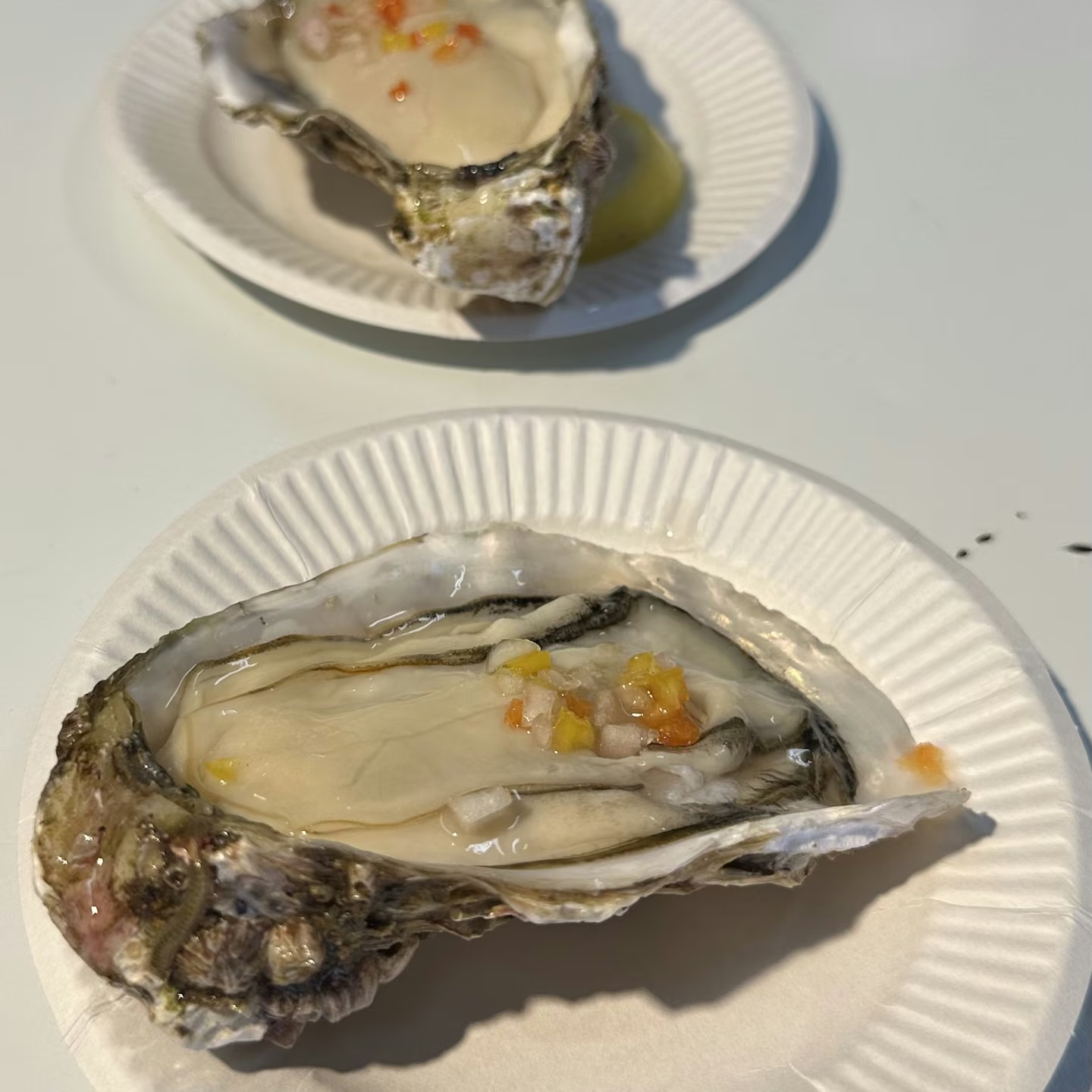
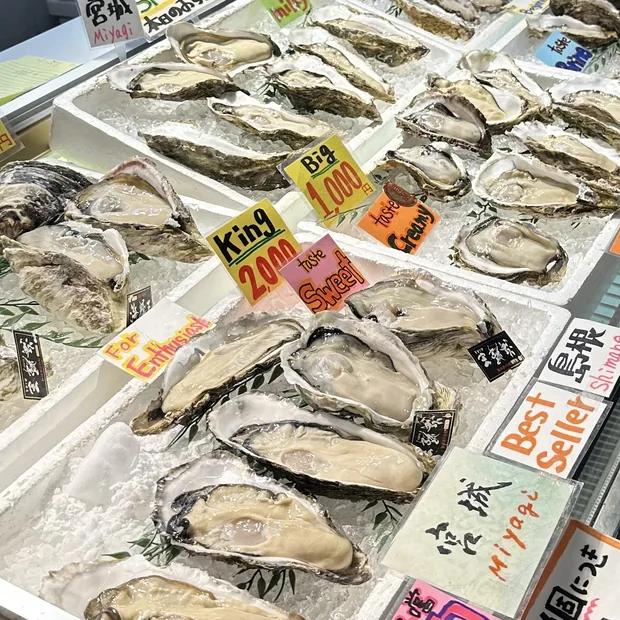
The oysters are laid out by where they come from: Miyagi, Shimane, Hokkaidō. Every tray has a hand-written card over it carrying both the price and the taste — "sweet", "creamy", "milky" — and the price climbs from a thousand yen to two thousand with the size. They open the one you choose in front of you and spoon the finely chopped dressing and a wedge of lemon over it.
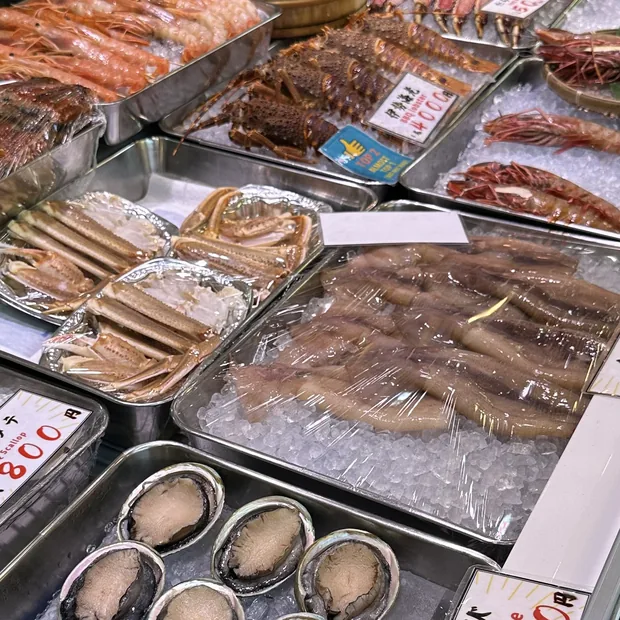
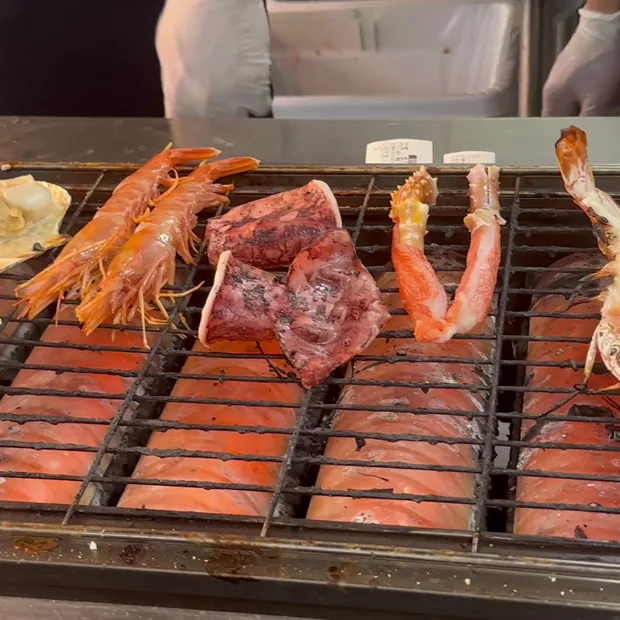
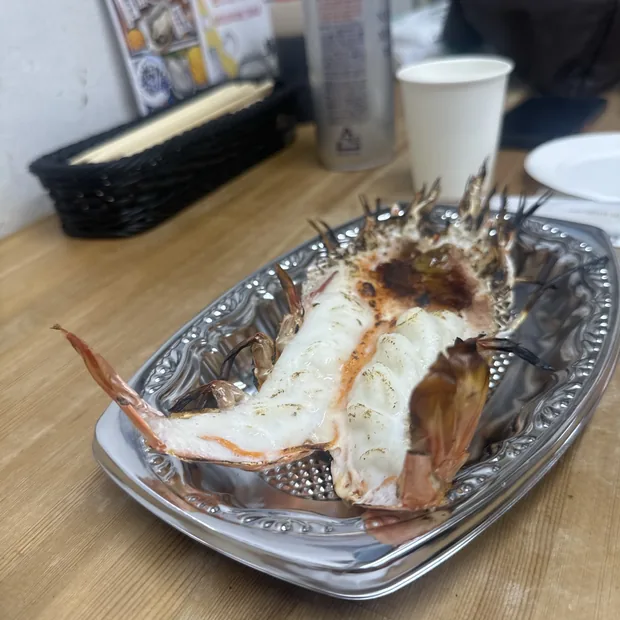
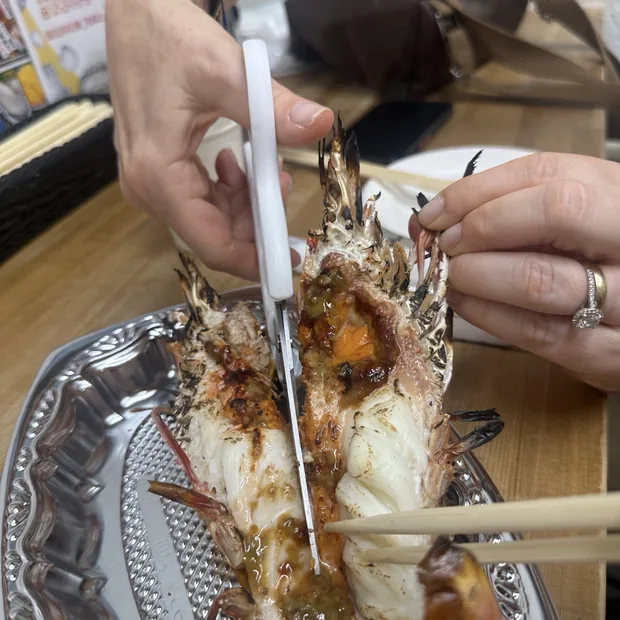
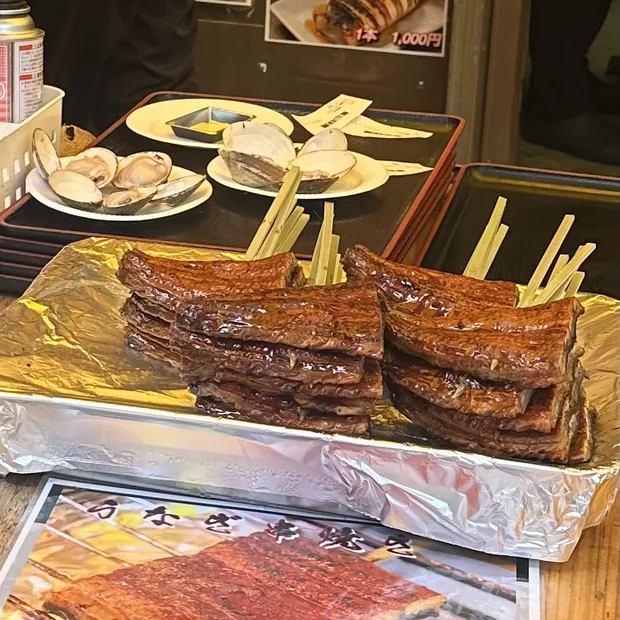
The grill is the busiest corner of the market. Enormous prawns, scallops, abalone and snow crab legs sit side by side over the same fire, and the cook passes a blowtorch over them one last time. The prawn is cut open at the table with scissors, and the orange part in the head is eaten on its own. Abalone ¥2,500, scallops ¥800, grilled eel on a skewer ¥1,000.
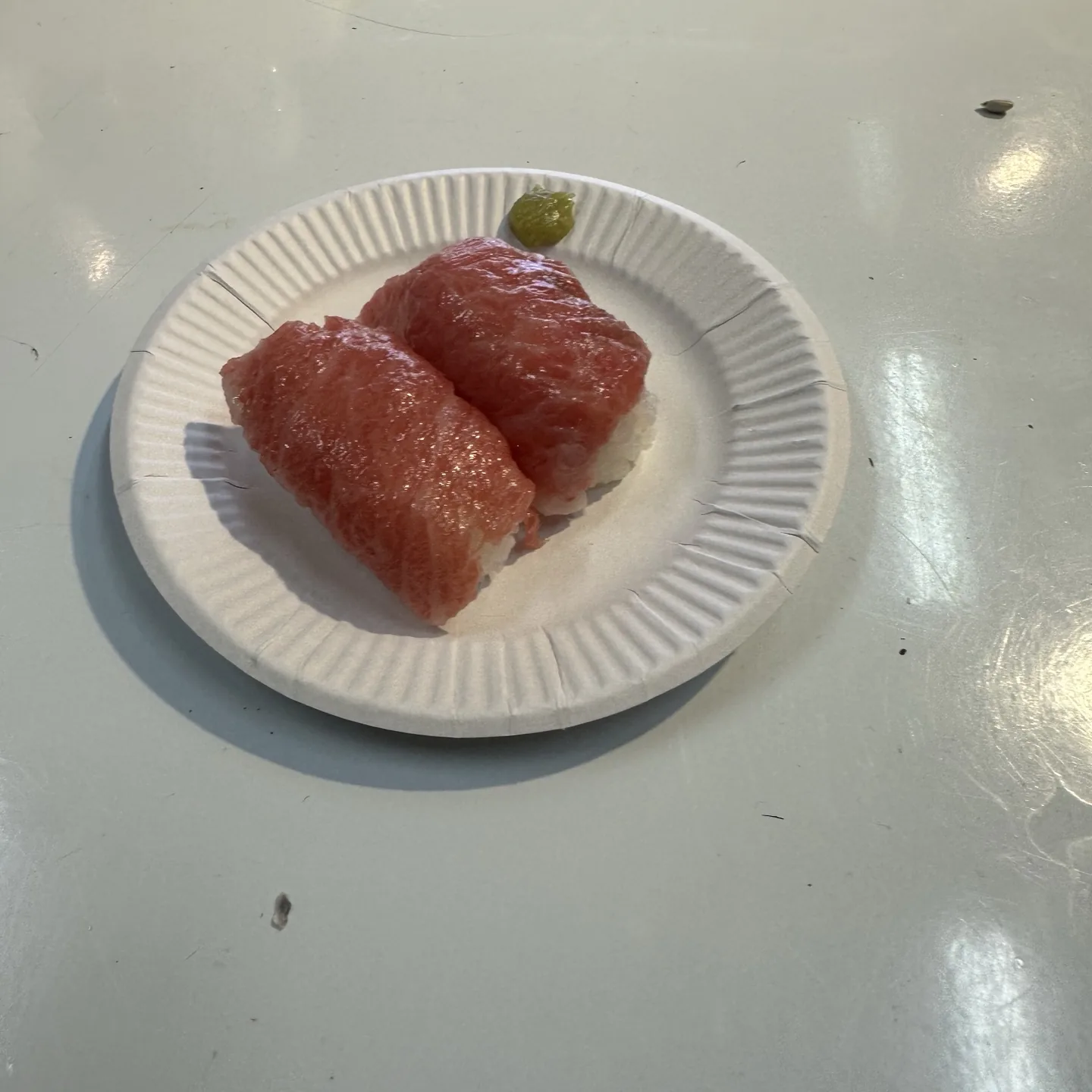
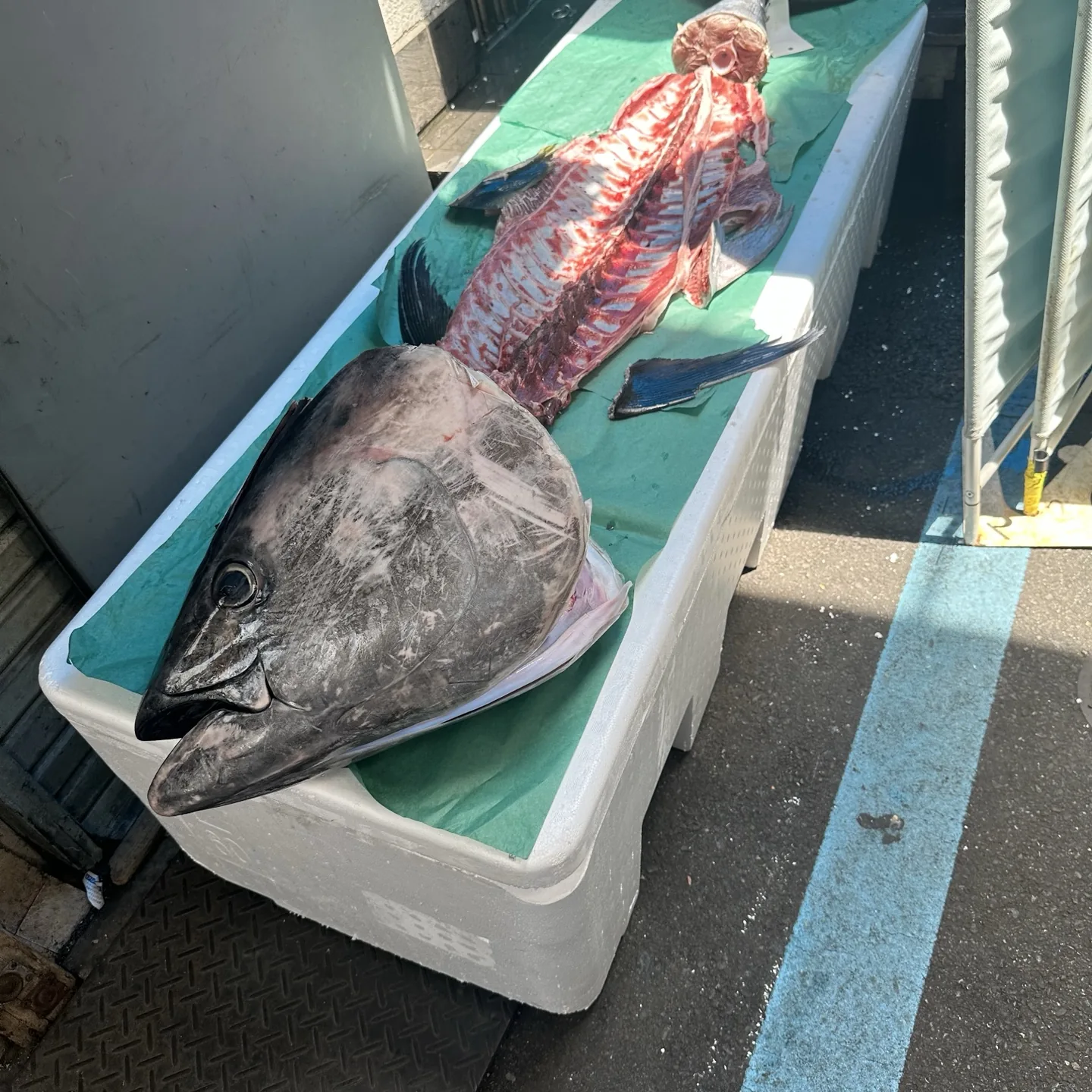
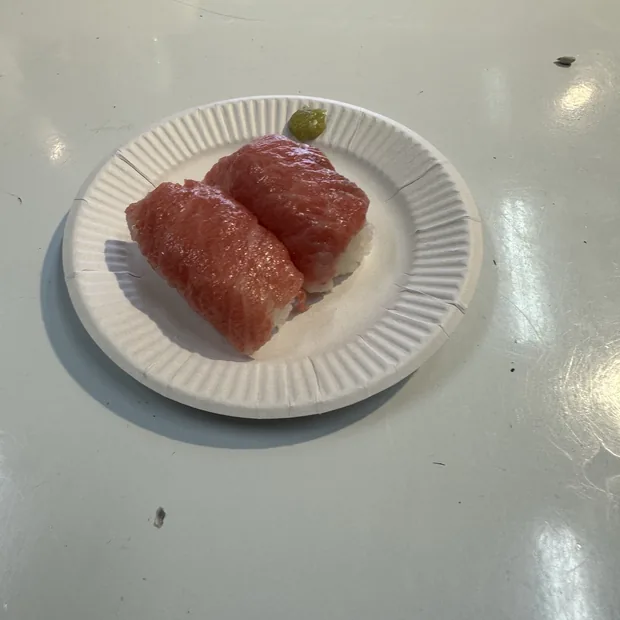
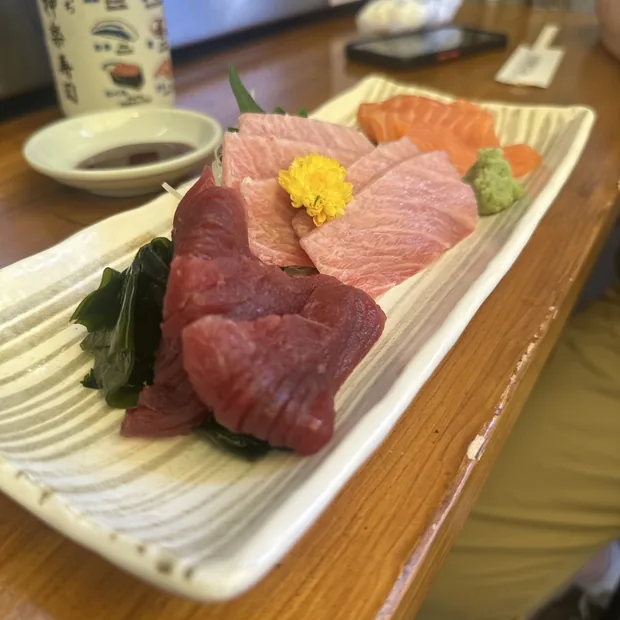
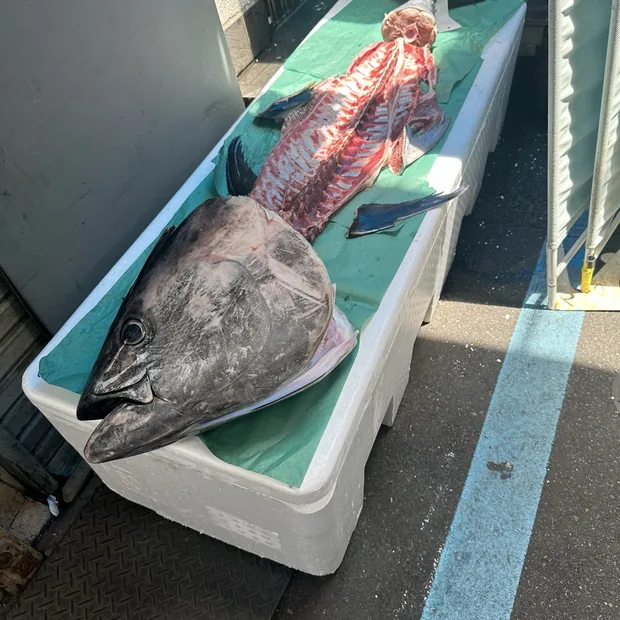
There are sushi counters in among the stalls too. Two pieces of tuna nigiri on a paper plate with a dot of wasabi; two steps further along you can sit down at a counter and order a plate of sashimi. Outside one of the shops a huge tuna's head and frame were propped against a styrofoam box — the auctions may have moved, but it is the kind of sight that reminds you Tsukiji is still a market.
A little touristy, yes; but in Tokyo it is one of the places worth going to, both for the things you get to taste and for the bit of the past you get to see.
Browse related
More places nearby

Savoy
In Japan the quality is very high not only in the local cuisine but across all cuisines. In pizza and burgers in particular, quality and flavour are a…

Nishiazabu Ōtake
Nishiazabu Ōtake is a representative of kaiseki cuisine in Tokyo whose skill has been crowned with a Michelin star. Kaiseki was described by Anthony B…

Shima Steak
The flavour of Japanese wagyu beef is known worldwide. The world's most marbled and most delicious meat comes from wagyu cattle. Shima Steak is a rest…